TRT Replacement Therapy Near Me: What Lab Work Is Usually Required


Searches for TRT replacement therapy near me usually start the same way. A man feels off for months, sometimes years. Energy slips. Workouts stop producing results. Libido changes. Sleep gets lighter, mood flatter, focus weaker. He reads about testosterone replacement therapy, finds a clinic nearby, and expects the next step to be a prescription.
That is rarely how a careful practice works.
Good TRT care starts with lab work, and not just one testosterone number pulled at random in the afternoon. The point of testing is not to create hoops for patients. It is to answer several practical questions before treatment begins. Is testosterone actually low? Is the low reading persistent, or was it a one-off result caused by poor sleep, illness, heavy training, or timing? Could something else be driving the symptoms? Are there any safety issues that need attention before therapy starts?
Those details matter because TRT is not a generic wellness add-on. It changes hormone signaling in a meaningful way. The right patient can do very well on it. The wrong patient, or the right patient with a rushed workup, can end up disappointed, overtreated, or chasing TRT replacement therapy near me the wrong diagnosis.
The first thing a competent clinic is trying to establish
The basic goal of the initial lab work is confirmation. Testosterone varies TRT replacement therapy near me from person to person and also changes within the same person from day to day. Levels are usually highest in the morning, especially in younger men, which is why most clinicians prefer early blood draws. A single borderline result often does not settle the question.
In practice, many providers want at least two morning testosterone measurements before making a diagnosis of hypogonadism, especially when the first result is not clearly low. That approach is less dramatic than the quick-ad online promises, but it is smarter. I have seen plenty of men arrive convinced their testosterone is the whole story, only to discover that their numbers are normal and the real issue is sleep apnea, heavy alcohol use, thyroid dysfunction, medication effects, depression, or a calorie deficit from aggressive dieting.
Symptoms and lab values have to line up. Low energy alone is not enough. Neither is low libido by itself. Hormones live in a larger system, and the workup should reflect that.
Total testosterone is the headline number, but not the only one
Most evaluations begin with total testosterone. This is the lab value people usually recognize, and it remains the central test. If it comes back clearly low on repeated morning testing in a man with compatible symptoms, that supports the diagnosis.
Still, total testosterone has limits. It measures the testosterone circulating in the bloodstream, including the portion attached to proteins. A lot of that testosterone is bound to sex hormone-binding globulin, or SHBG, and albumin. The bound portion is not always biologically available in the same way as the free portion. That matters because two men can have the same total testosterone and feel very different depending on SHBG levels.
This is where free testosterone becomes useful. Some clinics measure it directly, others calculate it using total testosterone, SHBG, and albumin. The method matters because direct free testosterone assays can vary in quality depending on the lab. A thoughtful provider will interpret the result in context rather than treating it as an absolute truth.
Men with obesity, insulin resistance, thyroid issues, liver disease, or aging-related shifts in SHBG can end up in the gray zone, where total testosterone looks borderline but free testosterone tells a clearer story. That is one reason a serious evaluation goes beyond the single number shown in big font on the lab portal.
Why SHBG often explains the confusing cases
SHBG does not get much attention outside endocrine clinics and TRT practices, but it often explains why the picture looks messy. If SHBG runs high, total testosterone may appear decent while free testosterone is relatively low. If SHBG runs low, total testosterone may look underwhelming while free testosterone is still adequate.
This distinction matters for treatment decisions and later for dose adjustments. Men with very low SHBG can metabolize hormone changes differently and may feel more fluctuation with certain dosing schedules. Men with higher SHBG may need a different interpretive lens entirely. The number is not glamorous, but it is one of the most clinically useful pieces of the workup.
The labs that help identify the cause of low testosterone
Finding a low testosterone level is only part of the job. The next question is why it is low.
The body regulates testosterone through a signaling chain that starts in the brain. The pituitary releases luteinizing hormone and follicle-stimulating hormone, which stimulate the testes. Measuring LH and FSH helps determine whether the issue appears to be primarily testicular or more centrally driven by the pituitary or hypothalamus.
If testosterone is low and LH and FSH are elevated, that pattern can suggest primary testicular failure. If testosterone is low and LH and FSH are low or inappropriately normal, the problem may be secondary, meaning the signal from the brain is not strong enough. That distinction affects how a provider thinks about next steps, fertility, and whether more evaluation is needed.
Prolactin is another common test in this setting. Elevated prolactin can suppress the hormone cascade and contribute to low testosterone, reduced libido, and sometimes erectile dysfunction. Mild elevations can come from stress, certain medications, or even a difficult blood draw. Larger elevations may need a closer look.
A solid clinic may also consider estradiol, especially if symptoms include breast tenderness, fluid retention, or mood changes, or if the patient has significant body fat. Estradiol is not just a side issue. Men need it for bone health, sexual function, and overall hormonal balance. Problems arise when clinics either ignore it completely or obsess over pushing it too low.
Safety testing before TRT is not optional
One of the biggest mistakes in casual hormone clinics is treating safety monitoring like paperwork. It is not. Testosterone can increase red blood cell production, which is helpful for some men but becomes a concern if blood gets too concentrated. That is why a complete blood count, especially hemoglobin and hematocrit, is a routine part of pre-TRT lab work.
If a man starts with a high hematocrit before treatment, that is worth understanding before adding testosterone. Sometimes the explanation is straightforward, such as dehydration, smoking, high altitude living, or untreated sleep apnea. If you miss those factors and start TRT anyway, the number can rise further and create unnecessary risk.
Prostate-specific antigen, or PSA, is often checked before initiating therapy, particularly in middle-aged and older men. PSA is not a direct test for cancer, and it is easy to overinterpret it, but it helps establish a baseline. Equally important is a review of urinary symptoms, family history, and age-related risk. A good clinician does not use PSA in isolation. It is one piece of the larger assessment.
Liver and kidney markers may also be included in a comprehensive metabolic panel. Injectable testosterone does not usually stress the liver the way some oral anabolic agents can, but baseline chemistry still matters. It gives a general sense of health and can uncover unrelated problems that might be contributing to fatigue or sexual symptoms.
Thyroid and metabolic testing often belong in the same workup
A lot of symptoms blamed on low testosterone can also come from thyroid dysfunction, poor glucose control, or chronic inflammation linked to excess body weight. That is why many clinicians include TSH, and sometimes free T4, in the initial labs.
If someone is exhausted, gaining weight, feeling cold, and mentally foggy, hypothyroidism deserves consideration. If the patient has abdominal weight gain, sleepiness after meals, and a strong family history of diabetes, testing fasting glucose or A1c can be just as relevant as hormone numbers. A man can have a low-normal testosterone result and still feel terrible primarily because of insulin resistance and poor sleep.
This is where real-world judgment matters. Symptoms do not read textbooks. Hormones overlap with metabolic disease, stress, psychiatric illness, medications, and lifestyle in ways that can be frustratingly ordinary. The best TRT evaluations are broad enough to catch those patterns before treatment begins.
Fertility changes the conversation
One of the most important questions in any TRT consultation is whether the patient wants future fertility. That discussion should happen before the first prescription, not months later.
Exogenous testosterone can suppress sperm production. Some men assume that because testosterone is associated with masculinity and virility, more testosterone from a vial will automatically support fertility. In reality, standard TRT often does the opposite. When outside testosterone enters the system, the brain reduces the signaling hormones that tell the testes to produce both testosterone and sperm.
For men who may want children, the lab work and treatment planning may look different. A provider might discuss alternatives such as clomiphene citrate or hCG in selected cases, or at least explain the trade-offs before starting TRT. Sometimes a semen analysis is appropriate, especially if fertility is an active goal.
I have seen men in their thirties start treatment through a fast-signup clinic with no meaningful fertility counseling at all. They felt better for a while, then later discovered they had created a harder road for family planning than they expected. That is not a rare problem.
What is usually included in the initial lab panel
Most clinics that handle TRT carefully will order a core group of labs before treatment starts. The exact panel varies, but it often includes:
- Total testosterone, usually morning testing, often repeated on a separate day if the first result is low or borderline
- Free testosterone, or the inputs needed to calculate it, especially SHBG and albumin
- LH, FSH, and prolactin to help identify whether the cause appears primary or secondary
- CBC, CMP, PSA, and often thyroid testing for safety and broader symptom evaluation
- Estradiol and metabolic markers such as A1c when the clinical picture suggests they would add value
That list looks simple enough on paper, but interpretation is where quality care separates itself. Numbers are only useful if someone knows what to do with them.
Timing matters more than many patients realize
The timing of blood work can change the result enough to alter a treatment decision. Testosterone levels are typically drawn in the morning, often before 10 a.m. The older a patient is, the less dramatic the daily rhythm may be, but the morning standard still helps maintain consistency.
Sleep deprivation can lower testosterone transiently. So can acute illness, intense endurance training, very low calorie intake, and certain medications such as opioids or chronic glucocorticoids. Even alcohol binges and major life stress can distort the picture. If someone slept three hours, trained legs at 5 a.m., and got labs while fighting a viral infection, a bad result does not always reflect his true baseline.
This is one reason I tend to trust clinics that are willing to slow down. If the history is messy and the labs are borderline, repeating them under more stable conditions is often the right move.
What happens after the baseline labs come back
Once the initial labs are reviewed, the next step depends on what they show.
If testosterone is normal and the broader workup points elsewhere, a good provider says so plainly. Not every symptomatic man is a TRT candidate. That can be disappointing in the short term, but it is far better than being placed on a lifelong therapy that was never likely to solve the problem.
If testosterone is clearly low and the rest of the evaluation supports treatment, the clinic will discuss form, dose, monitoring, expected benefits, and potential adverse effects. Injections are common because they are effective and often more affordable than gels or patches. Some men prefer topical options to avoid needles, though transfer risk and variable absorption are real considerations. Pellets and oral formulations exist too, but they are less commonly the first stop in many practices.
No matter which route is chosen, follow-up labs are part of the deal. TRT is not a set-it-and-forget-it therapy.
Monitoring after starting TRT
After therapy begins, repeat testing is used to see whether the dose is appropriate and whether safety markers remain in range. Follow-up schedules vary, but many clinics recheck labs within several weeks to a few months after initiation or a dose change, then continue periodic monitoring once things stabilize.
These are the issues clinicians are usually watching:
- Testosterone levels, to avoid both undertreatment and unnecessarily high dosing
- Hematocrit and hemoglobin, because rising red blood cell counts are common on TRT
- Estradiol, if symptoms suggest imbalance or if prior values were notable
- PSA and urinary symptoms, especially in appropriate age groups
- Liver, kidney, and metabolic markers as part of general health surveillance
The exact timing can differ depending on whether the patient uses injections, gel, or another form, because the blood level patterns differ. For injectable testosterone, the day of the lab relative to the shot matters. A value drawn at peak can look very different from one drawn near trough. Smart monitoring accounts for that.
Red flags when you are looking for care locally
When people search for TRT replacement therapy near me, they often compare convenience first. Location matters, of course. So does scheduling. But the clinic’s approach to lab work tells you a lot about how seriously it takes the therapy.
If a center is ready to prescribe after one non-morning testosterone test and a short symptom survey, that should raise concern. If no one asks about fertility goals, sleep apnea, medication use, blood pressure, or previous lab history, that is another warning sign. If the clinic advertises treatment as a cure for everything from belly fat to ambition, it is probably overselling.
By contrast, a careful local provider usually does three things well. First, they verify the diagnosis rather than assuming it. Second, they look for causes and coexisting problems instead of chasing one hormone in isolation. Third, they explain ongoing monitoring clearly, including what happens if hematocrit rises, estradiol shifts, or symptoms fail to improve despite treatment.
Those are not glamorous qualities, but they are the ones that matter six months later.
Why symptoms can persist even when the numbers improve
This surprises many men. Testosterone goes up, yet they do not feel transformed.
Sometimes the dose is wrong or the delivery method does not fit the patient. More often, though, TRT improves one part of the picture while other issues remain. Poor sleep, excess body fat, relationship stress, depression, overwork, alcohol use, and cardiometabolic disease all continue to matter. Testosterone is powerful, but it is not a substitute for sleep, movement, food quality, or medical honesty.
There is also a simple reality clinicians see all the time: expectations can outrun physiology. Men who have felt worn down for three years sometimes expect three weeks of treatment to reverse everything. Libido may improve before body composition changes. Energy may lift before mood fully steadies. Strength can improve while sleep remains poor because untreated apnea is still disrupting recovery.
The lab work helps frame those expectations. It gives you a baseline, shows whether the diagnosis is sound, and makes it easier to tell whether treatment is truly helping.
The practical takeaway
If you are searching for TRT replacement therapy near me, the right question is not just who can prescribe testosterone. It is who evaluates low testosterone properly.
Usually, that means at least one, and often two, morning total testosterone tests, plus free testosterone or the components needed to assess it accurately. It often includes SHBG, LH, FSH, prolactin, CBC, CMP, PSA, and thyroid testing, with estradiol and metabolic markers added when clinically appropriate. If fertility matters, that should shape the workup and the treatment discussion from the start.
The clinics worth trusting tend to be the ones that are hardest to rush. They ask for timing. They repeat uncertain labs. They investigate symptoms that do not fit neatly. They monitor after treatment begins and are willing to say no when the evidence does not support TRT.
That kind of care may feel less convenient than the places that promise same-day treatment from a quick blood draw. It is also far more likely to protect your health and give you an answer you can actually use.
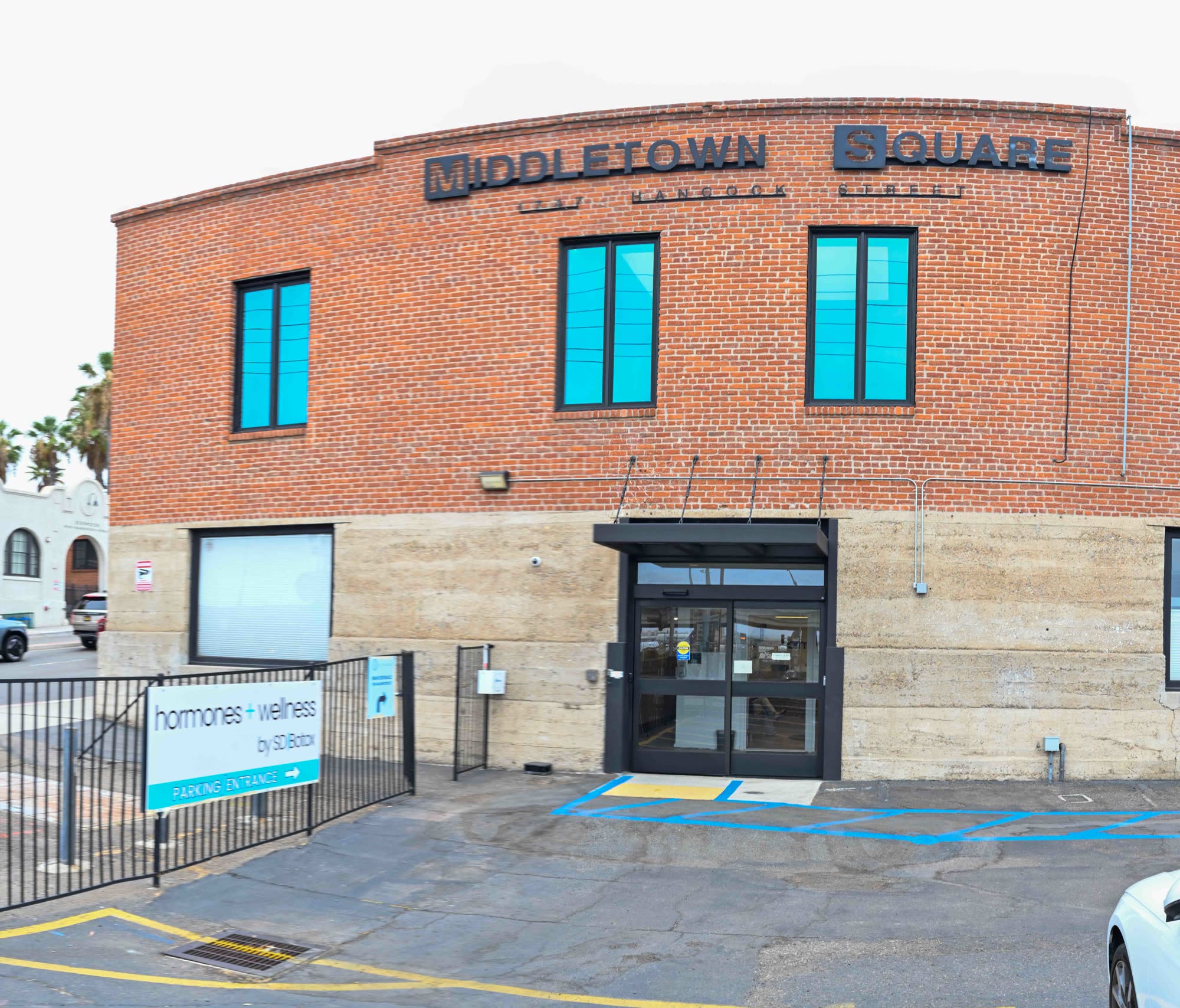
SDBody Mission Hills
Address: 1747 Hancock St Ste C, San Diego, CA 92101
Phone: (619) 772-0252
FAQ About TRT replacement therapy near me
How do I know if I need testosterone replacement therapy?
A clinician evaluates your symptoms and medical history and usually checks testosterone on two separate mornings. Consistently low levels and compatible symptoms help guide the decision.
What monitoring is needed during testosterone replacement therapy?
Follow-up usually includes a review of symptoms, testosterone levels and red blood cell counts. Your clinician may recommend additional monitoring based on your health history.
Can testosterone replacement therapy affect fertility?
Prescribed testosterone can reduce sperm production. Tell your clinician if you plan to have children so you can discuss your options before starting treatment.