How Cryotherapy Helps Reduce Muscle Soreness After Exercise
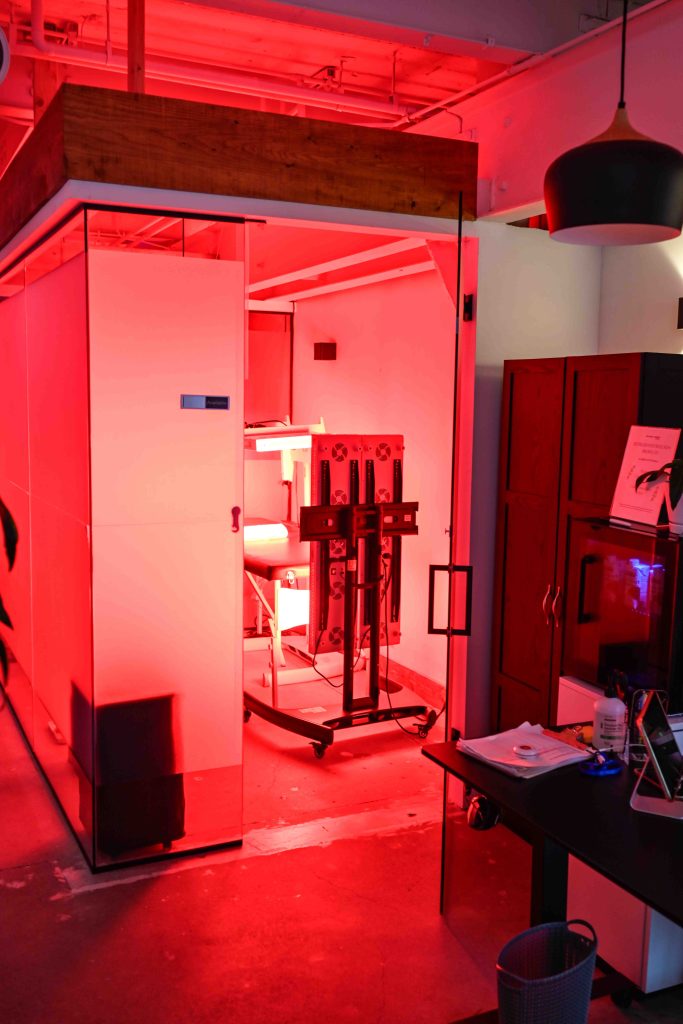

Anyone who trains hard enough eventually learns the difference between useful fatigue and lingering soreness. One feels like progress, the other feels like walking down stairs sideways two days after leg day. For athletes, regular gym-goers, runners, and even people returning to exercise after time away, post-workout soreness can be more than an annoyance. It can affect training quality, motivation, sleep, and how quickly someone feels ready to move well again.
Cryotherapy has become one of the more visible recovery tools in that conversation. Professional teams use it, boutique recovery studios market it, and social media often presents it as either a miracle or a gimmick. The truth sits in the middle. Cryotherapy can help reduce muscle soreness after exercise, but it works best when it is understood for what it actually does, not what hype suggests it does.
The key is separating pain relief and recovery support from grander claims about performance transformation. Cooling the body or a specific sore area can blunt discomfort, calm some of the inflammatory response, and make movement feel easier over the next day or two. That can matter quite a bit, especially when someone has another training session scheduled soon or simply wants to function normally after an unusually hard effort.
What post-exercise soreness really is
Most people use the phrase muscle soreness to describe a few different things. There is the immediate burning and fatigue you feel during or right after exercise. Then there is delayed onset muscle soreness, often shortened to DOMS, which tends to peak somewhere around 24 to 72 hours after unfamiliar or high-intensity training. DOMS is especially common after eccentric loading, where the muscle lengthens under tension, such as lowering into a squat, running downhill, or controlling the descent in strength work.
That soreness is not just lactic acid hanging around. The older explanation has been oversimplified for years. DOMS is better understood as a response to microscopic muscle damage, shifts in fluid, local inflammation, and increased sensitivity in the affected tissue. You are not broken, but the tissue is irritated and the nervous system is paying attention to it.
In practice, soreness changes how people move. A runner shortens stride length. A lifter avoids full depth. A tennis player delays the next hard practice. Even when the actual muscle damage is modest, the sensation can be enough to limit output. That is where Cryotherapy enters the picture. It may not erase the underlying training stress, but it can reduce how loudly the body registers it.
What Cryotherapy actually means
Cryotherapy is a broad term, and that matters because people often talk about it as if it refers to one exact treatment. In reality, there are several forms, each with slightly different effects and practical uses.
The most familiar version is simple local cold therapy, such as ice packs applied to a sore knee, calf, or shoulder. Then there are cold water immersion methods, including ice baths and contrast baths. Whole-body cryotherapy is the most commercialized version, where a person stands in a chamber for a brief period, usually two to four minutes, while exposed to extremely cold air.
These methods share the same basic idea, lowering tissue or skin temperature enough to influence blood flow, nerve signaling, perception of pain, and sometimes swelling. But they are not interchangeable in a perfect one-to-one way. Sitting waist-deep in cold water for ten minutes is a different physiological experience than standing in a dry cryo chamber for three minutes, even if both leave you feeling very cold.
That distinction gets lost in casual conversation. When someone says Cryotherapy worked wonders for their legs, it helps to ask what they actually did.
Why cold changes soreness
The reason cold therapy can help after exercise is not mysterious. It acts through a few mechanisms that are fairly intuitive once you have seen them play out in real athletes and patients.
First, cold reduces nerve conduction velocity. Put plainly, pain signals travel a bit less efficiently when tissue is cooled. That is one reason sore muscles often feel less tender after ice or a cold plunge.
Second, cold causes vasoconstriction, meaning blood vessels narrow. That can limit some fluid accumulation in the short term and may reduce the puffy, heavy sensation people notice after very hard training, especially in the legs.
Third, cold appears to influence inflammatory activity. This point deserves nuance. Inflammation after exercise is not automatically bad. Some degree of it is part of adaptation. But when inflammation becomes excessive relative to the task, or when someone needs to recover enough to perform again quickly, moderating it can be useful.
Fourth, the subjective effect is real. People often feel fresher, less achy, and more willing to move after Cryotherapy. That matters more than skeptics sometimes admit. If someone can walk, stretch, or sleep more comfortably, recovery often improves indirectly as well.
There is also a central nervous system component. Many athletes describe a distinct sense of alertness after cold exposure. The body reacts strongly to sudden cold. That can sharpen attention and create a temporary lift in mood or energy. It does not mean the muscle is fully recovered, but it can make the athlete feel more ready.
What the research supports, and what it does not
The body of evidence around Cryotherapy is mixed, though not meaningless. Studies on cold water immersion and other cooling methods generally suggest modest benefits for reducing perceived muscle soreness after strenuous exercise. That phrase, perceived muscle soreness, is important. People often report less soreness over the next 24 to 96 hours.
Where things get more complicated is in objective recovery markers and long-term adaptation. Some studies show small improvements in recovery of function, while others find little difference. Whole-body cryotherapy, in particular, is harder to evaluate cleanly because protocols vary, sample sizes can be small, and access is often limited to specific facilities.
Even so, there is enough consistent experience, backed by enough plausible physiology, to say Cryotherapy can be useful for soreness management. What would be overstating the case is saying that it dramatically accelerates tissue healing in every context or that more cold always equals better recovery.
That distinction matters most for people chasing strength and hypertrophy. If you aggressively dampen the inflammatory and signaling processes after every training session, especially immediately after resistance training, you may blunt some of the adaptations you are actually training for. The concern is less relevant for occasional use and more relevant for habitual use right after every lifting session.
This is one of the real trade-offs. If your main goal is to feel less sore by tomorrow, cold may help. If your main goal is maximizing muscle growth over months, using Cryotherapy after every heavy session might not be the smartest default.
The forms of Cryotherapy that people use most
Among the available options, cold water immersion has the most practical track record for exercise recovery. Athletes use it because it is accessible, relatively inexpensive, and straightforward. Water also transfers heat more efficiently than air, so immersion usually creates a more pronounced cooling effect than stepping into a cold room.
Whole-body cryotherapy chambers have gained attention because they are fast and feel high-end. Sessions are brief, and many users like the convenience. Still, these chambers cool the skin more than deep muscle tissue, so the sensation of recovery may sometimes outpace any meaningful muscular change. That does not make the experience useless, but it does mean expectations should stay realistic.
Local ice application remains underrated. If the soreness is concentrated, say in the patellar tendon area after jumping drills or in the calves after hill repeats, targeted cooling can make more sense than subjecting the entire body to an elaborate protocol.
Contrast therapy, alternating hot and cold, also has its place. Some people find it helps with the heavy, stiff sensation after competition or demanding endurance sessions. The evidence is not dramatically stronger than for standard cold exposure, but in practice it can feel easier to tolerate than a pure ice bath.
Timing changes the outcome
One of the biggest mistakes people make is treating all recovery tools as if they work the same way regardless of when they are used. Timing matters with Cryotherapy.
Used soon after a hard session, cold therapy is generally aimed at limiting soreness and reducing the immediate post-exercise sense of tissue irritation. If someone has a tournament the next day, multiple events in a weekend, or back-to-back practices, that can be very helpful.
Used many hours later, the effect becomes more about symptom relief than altering the early post-exercise inflammatory cascade. That does not make it pointless. A cold session in the evening may still help someone sleep better by calming sore legs and reducing discomfort.
The context matters even more than the clock. A rugby player in the middle of a competition block has different recovery priorities than a lifter in an offseason hypertrophy phase. The first may accept any small reduction in adaptation if it means being more functional tomorrow. The second may prefer to reserve Cryotherapy for unusually punishing sessions rather than making it a ritual.
When Cryotherapy tends to help the most
In real-world training, Cryotherapy is most useful when soreness itself is the problem to solve. That sounds obvious, but the distinction matters. If an athlete is deeply fatigued, under-fueled, dehydrated, and sleeping five hours a night, cold exposure is not going to rescue recovery. But if the main issue is localized muscle ache, stiffness, and tenderness after a hard effort, then Cryotherapy can be quite effective.
It tends to be especially helpful after:
- high-volume leg training, especially eccentric work
- repeated sprint sessions or field sports competitions
- long runs, downhill running, or unfamiliar endurance efforts
- tournaments or training camps with short turnaround times
- return-to-training periods when DOMS is stronger than usual
A practical example is a recreational runner who signs up for a hilly half marathon without much downhill preparation. The quads are often the casualty. In that case, a brief cold water immersion session later that day may make the next two days noticeably more tolerable. The muscles are still adapting to the stress, but walking, sitting, and climbing stairs become less punishing.
I have seen the same effect in strength athletes after reintroducing Bulgarian split squats or high-rep lunges after a break. The soreness can be savage. Cryotherapy does not erase it, but it can take the edge off enough that the athlete keeps moving rather than spending the next 48 hours avoiding chairs.
When it may not be the best choice
Cold is not always the right answer. Some people respond better to light movement, compression, or simple time. Others dislike cold enough that the stress of the treatment outweighs any benefit. There is no prize for suffering through a recovery method you dread if easier strategies work just as well for you.
More importantly, Cryotherapy may be less ideal immediately after every strength session if the training goal is muscle gain or long-term force development. The inflammatory signals triggered by training are part of how the body adapts. Blunting them too often may reduce some of the benefit of the workout.
That does not mean athletes seeking strength should never use it. It means they should use judgment. After a competition, after an unusually damaging session, or during a dense training week, the soreness relief may be worth it. After a standard upper-body hypertrophy workout on an otherwise normal day, probably less so.
There are also medical and safety considerations. People with certain circulatory issues, cold hypersensitivity, uncontrolled hypertension, some neuropathies, or specific cardiovascular concerns should not assume Cryotherapy is harmless. Whole-body cryotherapy facilities should screen for contraindications, and local or home cold exposure should still be approached sensibly.
A sensible protocol, without turning recovery into a production
People often ask for the perfect temperature and exact duration. There is no magic number that fits everyone, but practical ranges work well. For cold water immersion, many people use water cool enough to feel distinctly uncomfortable but tolerable, often in the range of roughly 10 to 15 degrees Celsius. Time commonly falls somewhere around 5 to 15 minutes depending https://penzu.com/p/cbb13722068b5e75 on the temperature, body size, and the goal.
For whole-body cryotherapy, protocols are typically set by the facility, often two to four minutes under supervision. For local ice application, shorter bouts are common, often around 10 to 20 minutes with a barrier between the ice source and the skin.
The simpler approach is often the better one:
- cool the sore area or body soon after demanding exercise if next-day soreness is likely to matter
- keep the exposure short enough to be tolerable and safe
- use it as one tool, not the entire recovery plan
- stop if numbness, skin irritation, dizziness, or unusual discomfort develops
This is where experience matters. People love extreme recovery routines because they feel serious and disciplined. But recovery rarely improves because it is dramatic. It improves because it is appropriate, consistent, and matched to the actual training load.
Cryotherapy versus other recovery strategies
Cryotherapy gets attention because it is tangible. You feel it immediately. But it should be compared honestly with lower-cost, lower-friction options.
Light active recovery often works very well for soreness. A 20-minute walk, easy spin, or gentle mobility circuit increases circulation and helps reduce stiffness without adding much fatigue. Sleep remains the most important recovery intervention most people underuse. Nutrition matters too, especially adequate protein, carbohydrate replenishment after long or intense training, and basic hydration.
Compression garments help some people subjectively, though responses vary. Massage can reduce soreness perception, and many athletes swear by it, though it can be expensive and inconsistent depending on the therapist. Heat may feel better than cold for certain kinds of stiffness, especially once the acute post-exercise phase has passed.
What Cryotherapy offers is speed and clarity. It has a narrower job description than broad recovery habits, but it can do that job well. It is often best viewed as a targeted soreness-management tool layered on top of good fundamentals.
The psychological side is not trivial
One thing that gets dismissed too quickly in sports medicine is the value of ritual. If an athlete finishes a hard session, goes through a familiar recovery process, and feels better afterward, that experience has value beyond placebo-versus-not-placebo arguments. Confidence matters. Readiness matters. Reduced dread before the next session matters.
Of course, ritual can also become dependency. Some athletes begin to feel they cannot recover without a certain chamber, bath, or protocol. That is not ideal. Cryotherapy should support resilience, not replace it. The best recovery systems are robust enough that missing one intervention does not throw everything off.
Still, it is fair to say the psychological response to cold exposure can amplify the practical benefit. If soreness decreases and the athlete believes they are ready to move, they often move more normally, which can help recovery continue.
What regular exercisers should keep in mind
For most non-professional athletes, the first question is not whether Cryotherapy works at all. It is whether it is worth the money, time, and discomfort compared with simpler options.
If you are training three or four times a week, sleeping reasonably well, and dealing with occasional soreness, you probably do not need expensive whole-body cryotherapy to recover effectively. A cold shower, a cold bath, or even targeted icing after particularly rough sessions may give you much of the practical benefit at a fraction of the cost.
If you are in a demanding phase, preparing for an event, stacking training days, or returning after a layoff when soreness hits harder, Cryotherapy becomes more compelling. Used selectively, it can make the difference between feeling wrecked for two days and feeling stiff but functional.
The main thing is to match the tool to the job. If your legs are painfully sore after a race, cold therapy makes sense. If your broader recovery is poor because your schedule is chaotic and your sleep is short, start there first.
A balanced view of what to expect
The best way to think about Cryotherapy is this: it can reduce muscle soreness after exercise, often enough to be useful, but usually not so dramatically that it overrides all the basics. It is not fake, and it is not magic.
Expect a decrease in soreness perception, not a total reset. Expect it to be more helpful after punishing or unfamiliar exercise than after every routine workout. Expect more benefit when soreness relief and short-term readiness matter most. And expect its value to depend on the form you use, the timing, and the rest of your recovery habits.
For athletes and active adults who understand those limits, Cryotherapy can be a smart addition to recovery. Not because it turns hard training into an easy experience, but because it can make the normal aftermath of hard training more manageable. Sometimes that is all you need, less pain, a little more movement, and enough comfort to come back ready to train well again.
SDBody Mission Hills
Address: 1747 Hancock St Ste C, San Diego, CA 92101
Phone number: +16197720252
FAQ About Cryotherapy
What does cryotherapy do for your body?
Cryotherapy exposes the body to extremely cold temperatures for a few minutes to trigger natural healing and recovery responses.
What are the negatives of cryotherapy?
The primary negatives of cryotherapy include skin burns, frostbite, temporary nerve irritation, and temporary spikes in blood pressure caused by extreme cold.
How much does cryotherapy typically cost?
A single session of non-medical cryotherapy typically costs between $40 and $100. However, prices vary significantly depending on the specific type of treatment, your location, and whether you purchase a membership or package.